
Bar Crawl Injury Statistics Reveal Which Venues and Neighborhoods Pose the Greatest Safety Risks for Pub Hoppers in Las Vegas
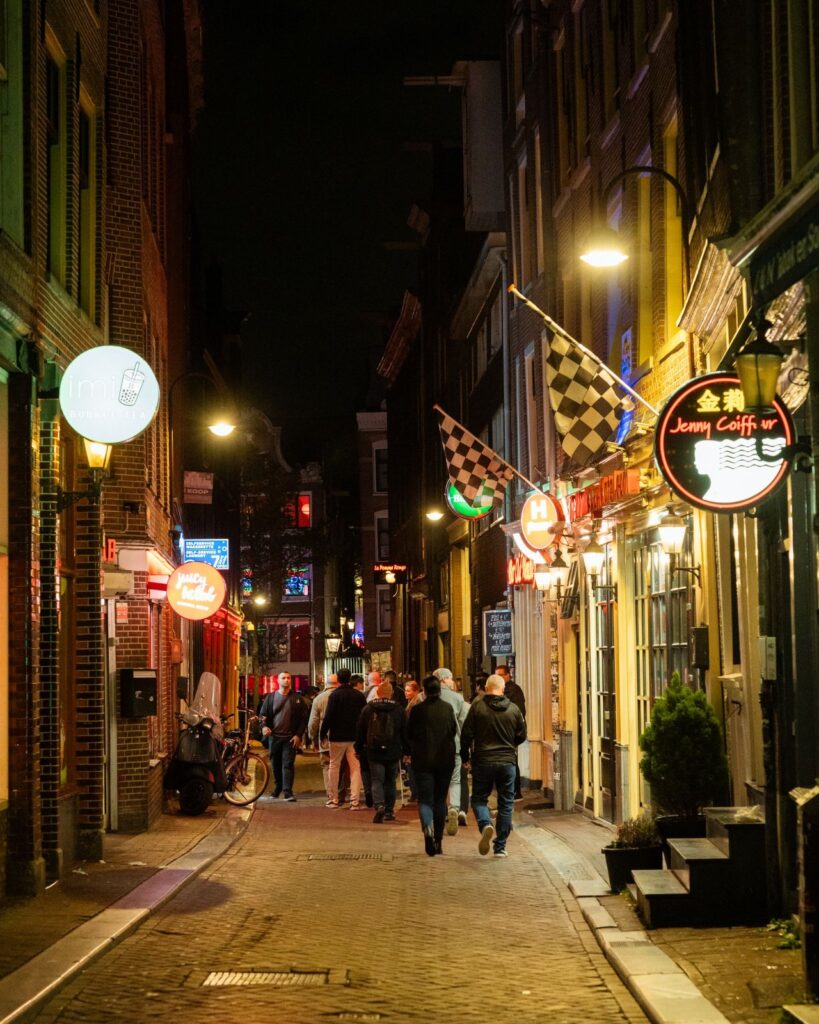
Las Vegas is the undisputed king of nightlife. From the glittering Strip to the buzzing Downtown Container Park, this city was practically built for bar crawls. Millions of visitors and locals alike lace up their dancing shoes every weekend, ready to hop from venue to venue in search of the perfect cocktail, the best DJ, and memories that may or may not survive the morning after. But here’s something that doesn’t get talked about nearly enough — bar crawling comes with real, measurable safety risks, and knowing where those risks are highest could literally save your night, or even your life.
This isn’t meant to scare you away from a good time. Quite the opposite. By understanding the data behind bar crawl injuries, you can make smarter choices about where you go, how you pace yourself, and how to have the most epic night possible without ending up in the emergency room. So grab a seat, order something refreshing (non-alcoholic for now, we’ve got some important stuff to cover), and let’s dig into what the statistics actually tell us about bar crawl safety in Las Vegas and beyond.
Understanding Bar Crawl Injuries: The Bigger Picture
Before we zoom in on Las Vegas specifically, it helps to understand the broader landscape of bar crawl-related injuries. Research from emergency departments across the United States consistently shows that alcohol-related injuries spike significantly on weekend nights, particularly in entertainment districts where multiple bars are clustered together. The combination of walking long distances, wearing uncomfortable shoes, consuming alcohol across multiple venues, and navigating crowded streets creates a perfect storm for accidents.
According to data published by the National Institute on Alcohol Abuse and Alcoholism (NIAAA), alcohol is a contributing factor in approximately 40% of all traumatic injury cases treated in emergency departments. When you factor in the multi-venue nature of bar crawls — where participants are exposed to multiple rounds of drinks across several hours — that risk profile escalates considerably.
“The danger isn’t just about how much you drink. It’s about the cumulative effect of alcohol consumed across multiple venues, combined with physical activity, environmental hazards, and the social pressure to keep pace with a group.”
Common bar crawl injuries include slip-and-falls, pedestrian accidents, altercations, alcohol poisoning, and dehydration-related medical emergencies. Each of these categories has its own set of contributing factors, and many of them are preventable with the right information and preparation.
Las Vegas by the Numbers: A City Built for Nightlife and Its Safety Challenges
Las Vegas receives approximately 42 million visitors per year, and a substantial portion of those visitors are here specifically for the nightlife. The Nevada Department of Transportation and Clark County emergency services routinely track alcohol-related incidents, and the data paints a nuanced picture of where and when the risks are highest.
The Las Vegas Metropolitan Police Department (LVMPD) reports that alcohol-related incidents are concentrated in a handful of key areas, with the Strip corridor, Fremont Street Experience, and the Arts District seeing the highest volumes of calls related to public intoxication, assault, and accidents. But raw volume doesn’t tell the whole story — density matters just as much as total numbers.
The Strip: High Volume, High Stakes
The Las Vegas Strip, stretching roughly 4.2 miles along Las Vegas Boulevard South, is the most visited entertainment corridor in the world. With dozens of major casino bars, nightclubs, pool parties, and lounges packed into a relatively small geographic area, it’s no surprise that it also sees the highest concentration of bar crawl-related incidents in the region.
What makes the Strip particularly challenging for pub hoppers is the sheer physical distance involved. Many visitors underestimate how far apart venues actually are. What looks like a short walk on a map can turn into a 20-minute trek in 105-degree summer heat, wearing heels, after three cocktails. Dehydration, heat exhaustion, and impaired judgment from alcohol create a dangerous combination that sends hundreds of visitors to urgent care facilities each year.
Slip-and-fall accidents are among the most common injuries on the Strip. Casino floors are notoriously polished and slippery, and the transition from indoor air-conditioned spaces to outdoor sidewalks — and back again — creates condensation that makes surfaces treacherous. Add alcohol to the equation, and it’s easy to see why these incidents are so prevalent.
Fremont Street Experience: Concentrated Energy, Concentrated Risk
Fremont Street in Downtown Las Vegas offers a very different bar crawl experience than the Strip. The pedestrian-only canopy covers about five blocks of Old Las Vegas Boulevard, creating a contained, high-energy environment where bars, live music stages, and street performers compete for attention. This concentration of activity is part of what makes Fremont Street so exciting — but it also concentrates the risk factors.
Because the area is pedestrian-only and relatively compact, bar hoppers tend to consume more drinks in less time. The festive, carnival-like atmosphere encourages a “more is more” mentality that can quickly lead to overconsumption. Emergency medical technicians familiar with the area note that Fremont Street sees a disproportionate number of alcohol poisoning calls relative to its geographic size.
Additionally, the zip line attraction above Fremont Street, while exciting when sober, has been the subject of concern among safety advocates when participants attempt to ride after significant alcohol consumption. Most reputable operators have policies in place to screen for intoxication, but enforcement can be inconsistent during peak hours.
The Arts District and East Fremont: The Rising Scene with Hidden Hazards
Las Vegas’s Arts District, centered around South Main Street, has exploded in popularity over the past decade. With craft cocktail bars, breweries, and eclectic lounges replacing older establishments, it’s become a favorite destination for locals and savvy tourists looking for an alternative to the Strip experience. East Fremont Street, sometimes called “Fremont East,” connects the classic Fremont Street Experience to this newer scene.
While the Arts District has lower overall incident volumes than the Strip or Fremont Street, it presents unique hazards. The streets are less well-lit than the casino corridors, sidewalks are less maintained, and the area is more spread out, requiring more walking between venues. For bar crawlers who’ve already had several drinks, navigating these darker, less polished streets significantly increases the risk of falls and pedestrian-vehicle conflicts.
Venue-Specific Risk Factors: What the Data Tells Us
Not all bars are created equal when it comes to safety. Several key factors at the venue level significantly influence injury rates, and understanding them helps you make smarter choices about where to spend your time.
Crowd Density and Capacity Management
Venues that regularly operate at or above their stated capacity create dangerous conditions. Overcrowded bars make it harder to move safely, increase the risk of altercations due to accidental contact, and make it more difficult for staff to monitor patrons for signs of overconsumption. In Las Vegas, where some nightclubs can hold thousands of guests, capacity management is a critical safety issue.
Research from the Journal of Studies on Alcohol and Drugs has found that bars with higher crowd density are associated with higher rates of aggression and physical altercations. When people can’t move freely, tensions rise. When alcohol is involved, those tensions can escalate quickly.
Drink Pricing and Promotion Practices
One of the most significant venue-level risk factors is drink pricing and promotion strategy. Venues that offer aggressive drink specials — particularly those that encourage rapid consumption, like shots-only happy hours or “all you can drink” promotions — are associated with higher rates of patron overconsumption and subsequent injuries.
“Happy hour specials and drink packages can be a great value, but they can also inadvertently encourage faster drinking. The best venues balance promotions with responsible service practices and staff training.”
Las Vegas has a unique relationship with drink culture. Free drinks for gamblers, aggressive promotional pricing at nightclubs, and the general “anything goes” attitude of the city can combine to create environments where overconsumption is almost expected. Savvy bar crawlers should be aware of which venues are using pricing as a tool to drive rapid consumption versus those offering genuine value with responsible service.
Staff Training and Responsible Service
The quality and training of bar staff is one of the most important determinants of venue safety. Bartenders and servers who are trained to recognize signs of intoxication, who feel empowered to refuse service, and who actively encourage water consumption and food ordering can dramatically reduce injury rates at their establishments.
Nevada law requires establishments to hold a liquor license and comply with responsible service regulations, but the level of staff training varies widely across venues. Higher-end establishments, including many of the major casino bars on the Strip, tend to invest more in staff training programs. Smaller, independent bars may have less formal training protocols, which can create inconsistencies in how intoxicated patrons are managed.
Physical Environment and Hazard Management
The physical layout and maintenance of a venue significantly impacts injury risk. Wet floors, poor lighting, uneven surfaces, poorly marked steps, and inadequate emergency exit signage all contribute to accident risk. In Las Vegas, where many venues prioritize aesthetic ambiance over practical safety considerations — think mood lighting so dim you can barely see your drink — these environmental hazards can be particularly pronounced.
Outdoor venues and rooftop bars, which have become increasingly popular in Las Vegas, present additional hazards. Uneven surfaces, exposed edges, and the combination of alcohol with heights create conditions that demand extra caution.
Neighborhood Safety Profiles: A Guide for Las Vegas Bar Crawlers
Let’s break down the major bar crawl neighborhoods in Las Vegas and assess their specific risk profiles so you can plan your evening with eyes wide open.
The Strip (Las Vegas Boulevard South)
Overall Risk Level: High Volume, Manageable with Preparation
The Strip’s sheer scale makes it inherently higher risk than more contained environments. However, it also benefits from a heavy security presence, readily available transportation (taxis, rideshares, and the Las Vegas Monorail), and well-trained staff at major casino properties. The key risks here are heat-related illness in summer months, pedestrian-vehicle conflicts at crosswalks, and the physical demands of covering large distances.
Downtown / Fremont Street Area
Overall Risk Level: High Intensity, Concentrated Risk
The Fremont Street Experience’s pedestrian-only environment is safer in some ways (no vehicle traffic in the main corridor) but riskier in others. The concentrated energy, aggressive drink promotions at some establishments, and the tendency for visitors to consume more in less time make this area particularly challenging. The surrounding streets outside the canopy can be poorly lit and require extra caution.
Fremont East and the Arts District
Overall Risk Level: Moderate, with Environmental Hazards
This area is generally less chaotic than the Strip or Fremont Street, but the darker streets, less frequent security presence, and greater distances between venues create a different risk profile. Bar crawlers who’ve already had several drinks at other locations before arriving here should be particularly mindful of their footing and surroundings.
Summerlin and Henderson: The Suburban Scene
Overall Risk Level: Lower Density, Higher Driving Risk
Las Vegas’s suburban entertainment districts in areas like Summerlin and Henderson offer a more relaxed bar crawl experience with less crowding and generally better-maintained environments. However, the primary risk in these areas is driving under the influence, as these neighborhoods are less walkable and rideshare coverage can be less reliable. Always plan your transportation before you start drinking in these areas.
How Organized Bar Crawls Reduce Risk: The Case for Going with a Group
Here’s where the conversation gets really interesting. One of the most effective ways to reduce your personal risk on a bar crawl is to participate in an organized event rather than winging it on your own. This is where businesses like Barcrawlerz genuinely shine.
Barcrawlerz has built its reputation in Las Vegas on the premise that bar crawling should be fun, social, and safe. By organizing curated routes through pre-vetted venues, providing knowledgeable guides who know the neighborhoods inside and out, and creating a group dynamic that naturally encourages mutual accountability, organized bar crawls address many of the risk factors that solo or unplanned crawls face.
The Safety Benefits of Organized Bar Crawl Events
When you join an organized bar crawl like those offered by Barcrawlerz, several built-in safety mechanisms kick in that you simply don’t have when you’re planning your own route.
First, route planning matters enormously. Experienced organizers know which venues have the best safety records, which neighborhoods are safest to walk through at night, and how to structure a route that minimizes unnecessary pedestrian risk. They also know how to pace the evening so participants aren’t overwhelmed at any single venue.
Second, group accountability is a powerful safety tool. When you’re with a group of fellow crawlers and experienced guides, there are more eyes watching out for everyone’s wellbeing. If someone is showing signs of overconsumption, there are people around to notice and intervene. This kind of social safety net is largely absent when individuals or small groups navigate bar crawls independently.
Third, transportation logistics are handled for you. One of the biggest risk factors in any bar crawl is figuring out how to get home safely at the end of the night. Organized crawls typically have plans in place for this, whether through designated transportation, partnerships with rideshare services, or guides who can help connect participants with safe rides.
“The best bar crawl experiences are ones where you can focus entirely on having fun because someone else has already thought through the logistics and safety considerations. That’s the real value of going with an organized group.”
What to Look for in a Bar Crawl Organizer
Not all organized bar crawls are created equal. When evaluating an organizer like Barcrawlerz or any other company, look for the following indicators of quality and safety commitment:
Venue vetting: Does the organizer have established relationships with reputable venues? Are the bars on the route known for responsible service practices?
Guide training: Are the guides trained in basic first aid and familiar with signs of alcohol overconsumption? Do they know how to handle medical emergencies?
Group size management: Does the organizer cap group sizes to ensure everyone can be adequately supervised and that venues aren’t overwhelmed?
Hydration and food integration: Does the organizer encourage water breaks and food consumption throughout the evening?
Clear communication: Are participants informed about the route, the rules, and what to do in case of an emergency before the crawl begins?
Personal Safety Strategies for Las Vegas Bar Crawlers
Whether you’re joining an organized event with Barcrawlerz or planning your own adventure through the streets of Las Vegas, these evidence-backed strategies will significantly reduce your risk of injury.
Before You Start: The Preparation Phase
Eat a substantial meal before your first drink. Food in your stomach slows alcohol absorption and gives you a much stronger foundation for the evening ahead. Opt for proteins and complex carbohydrates rather than simple sugars, which can actually accelerate intoxication.
Wear appropriate footwear. This sounds obvious, but it’s one of the most frequently ignored safety recommendations. Slip-and-fall injuries are among the most common bar crawl injuries, and uncomfortable or unstable footwear is a major contributing factor. If you must wear heels, consider bringing a pair of flats to change into later in the evening.
Plan your transportation before you leave home. Know exactly how you’re getting home before you take your first drink. Whether it’s a designated driver, a pre-booked rideshare, or a hotel within walking distance, having this sorted in advance removes a critical decision from impaired judgment.
Hydrate aggressively before you start. Las Vegas’s desert climate means you’re already at risk for dehydration before you add alcohol to the equation. Drink at least 16-24 ounces of water before your first drink of the evening.
During the Crawl: Pacing and Awareness
Follow the one-for-one rule: for every alcoholic drink, drink one glass of water. This simple strategy dramatically reduces the risk of overconsumption and dehydration. Many experienced bar crawlers swear by this approach.
Know your limits and respect them. Social pressure is one of the most powerful drivers of overconsumption during group bar crawls. It’s okay to nurse a drink, order a non-alcoholic option, or simply skip a round. Your safety is more important than keeping pace with anyone else in your group.
Stay with your group. One of the most dangerous moments in any bar crawl is when individuals separate from the group. Whether it’s to use the restroom, step outside for air, or explore another part of a venue, always let someone know where you’re going and when you expect to be back.
Watch your footing at every transition. The moments between venues — stepping off a curb, navigating stairs, crossing a street — are when many bar crawl injuries occur. These transitions require extra attention, especially as the evening progresses and alcohol’s effects accumulate.
Recognizing When Enough Is Enough
One of the most valuable skills any bar crawler can develop is the ability to recognize when they or someone in their group has reached their limit. Signs of dangerous overconsumption include slurred speech, difficulty walking, confusion, nausea, and loss of coordination. If you notice these signs in yourself or a companion, it’s time to stop drinking, hydrate, and consider calling it a night.
Never leave an intoxicated friend alone. If someone in your group is showing signs of serious overconsumption, stay with them, help them get water and food, and if necessary, call for medical assistance. Alcohol poisoning is a medical emergency, and the signs — confusion, vomiting, seizures, unconsciousness, slow or irregular breathing — require immediate professional intervention.
The Role of Venues in Creating Safer Bar Crawl Experiences
Safety on a bar crawl isn’t solely the responsibility of individual participants. Venues play a crucial role, and the best establishments in Las Vegas take that responsibility seriously. When evaluating a bar or nightclub as a bar crawl destination, look for these positive indicators:
Visible water availability: Good venues make it easy to get water, either by offering it proactively or having it readily available at the bar without charge.
Adequate lighting in key areas: Stairs, exits, and restroom corridors should be well-lit, even in venues that use mood lighting in their main spaces.
Trained, attentive staff: Bartenders who check in with patrons, notice signs of overconsumption, and feel empowered to refuse service are a hallmark of a safety-conscious establishment.
Accessible emergency services: Good venues have clear emergency protocols, visible emergency exit signage, and staff trained in basic first aid.
Responsible promotion practices: Venues that avoid promotions specifically designed to encourage rapid consumption demonstrate a commitment to patron wellbeing over short-term revenue.
Making the Most of Las Vegas Nightlife — Safely
Las Vegas is an extraordinary city for nightlife, and bar crawling here can be one of the most memorable experiences of your life. The neon lights, the energy, the diversity of venues, and the sheer spectacle of it all create an atmosphere that’s genuinely unlike anywhere else in the world. The goal of understanding bar crawl injury statistics and safety risks isn’t to dampen that experience — it’s to help you make the most of it.
When you go out informed, prepared, and with a solid plan, you dramatically increase your chances of having an amazing night and waking up the next morning with nothing worse than a great story and maybe a mild headache. The statistics on bar crawl injuries exist not to frighten us but to illuminate the patterns and risk factors that we can actively address.
Companies like Barcrawlerz understand this balance better than almost anyone. They’ve built a business around the idea that the best bar crawl is one where the fun is maximized and the risk is minimized — and that achieving that balance requires expertise, planning, and a genuine commitment to participant wellbeing. Whether you’re a first-time visitor to Las Vegas or a seasoned local looking for a new way to experience the city’s nightlife, joining an organized, safety-conscious bar crawl event is one of the smartest choices you can make.
Final Thoughts: Knowledge Is the Best Safety Tool
Bar crawl injury statistics reveal a clear picture: the risks are real, they’re concentrated in specific areas and venue types, and they’re significantly mitigated by preparation, awareness, and smart decision-making. In Las Vegas, where the nightlife is world-class and the temptations are legendary, this knowledge is especially valuable.
The Strip’s high-volume environment, Fremont Street’s concentrated energy, and the Arts District’s environmental hazards each present distinct challenges that can be navigated successfully with the right approach. Understanding which venue characteristics — crowd density, drink promotion practices, staff training, and physical environment — contribute most to injury risk allows you to make informed choices about where you spend your time.
Most importantly, remember that bar crawling is meant to be fun. The statistics and safety strategies we’ve covered here aren’t about restriction — they’re about empowerment. When you know the risks and how to manage them, you can dive headfirst into everything Las Vegas nightlife has to offer with confidence, energy, and the peace of mind that comes from being genuinely prepared.
So go ahead — plan that epic night out. Check out what Barcrawlerz has on offer, grab your crew, put on your most comfortable stylish shoes, and get ready to experience Las Vegas nightlife the smart way. The city is waiting, and with the right preparation, it’s going to be one for the books.