
What Recent Studies Reveal About Hydration Intervals and Alcohol Absorption Rates During Multi-Venue Night Outings
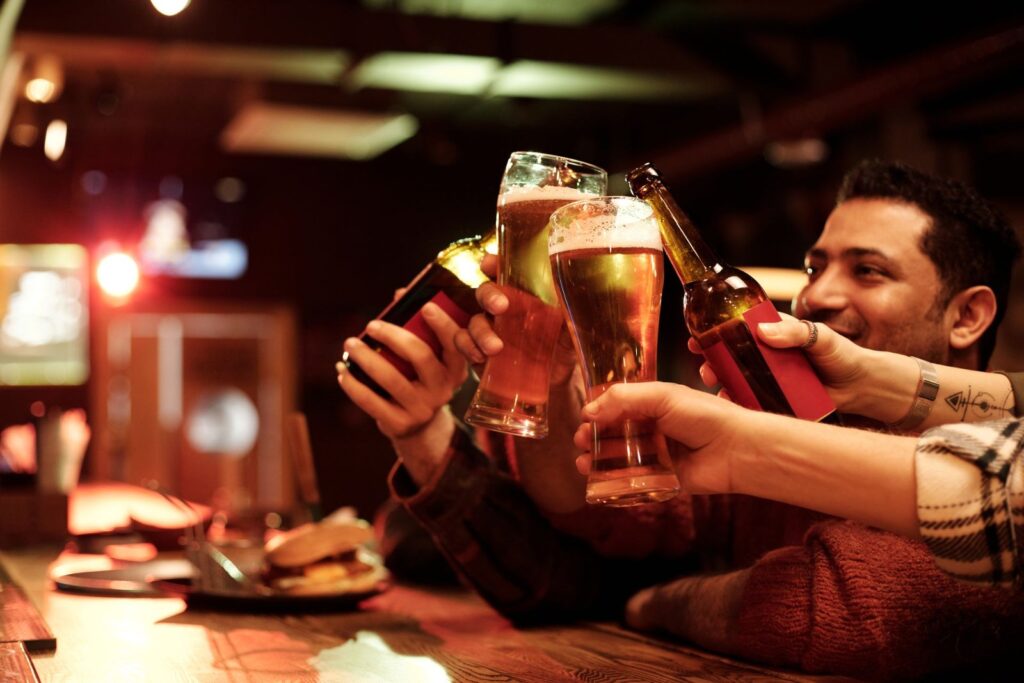
If you’ve ever woken up after a big night out feeling like the Mojave Desert took up residence in your mouth, you’re not alone. Whether you’re bar-hopping through the neon-lit streets of Las Vegas NV or hitting a handful of rooftop lounges with friends, understanding how your body processes alcohol — and how hydration fits into that equation — can genuinely change the way you experience a night out. And we’re not talking about turning into a buzzkill with a water bottle. We’re talking about smarter drinking that lets you enjoy every venue, every cocktail, and every moment without paying a brutal price the next morning.
Recent research has shed some genuinely fascinating light on how hydration intervals affect alcohol absorption rates, and the findings are surprisingly practical. In this article, we’re going to break it all down in a way that’s easy to understand, even after your second craft cocktail. We’ll also touch on how services like Barcrawlerz in Las Vegas make it easier than ever to plan a multi-venue night that’s both epic and responsible.
Understanding Alcohol Absorption: The Basics You Need to Know
Before we dive into what the research says about hydration, let’s quickly cover how alcohol absorption actually works. When you take a sip of your favorite drink, alcohol doesn’t just sit in your stomach waiting to party — it moves fast. Alcohol is absorbed primarily through the small intestine, with a smaller portion absorbed through the stomach lining itself. Once it enters your bloodstream, it heads straight to your brain, liver, and other organs.
Several factors influence how quickly this happens:
- Whether you’ve eaten recently
- The concentration of alcohol in your drink
- Your body weight and composition
- Your biological sex
- Your overall hydration level
That last factor — hydration — is one that most people dramatically underestimate. And it’s where things get really interesting from a scientific standpoint.
Why Your Hydration Level Matters More Than You Think
Alcohol is a diuretic. That’s a fancy way of saying it makes you pee more than usual. When you consume alcohol, it suppresses the production of a hormone called antidiuretic hormone (ADH), which normally tells your kidneys to hold onto water. Without enough ADH, your kidneys flush water out of your system at an accelerated rate — sometimes two to three times more water per drink than you actually consumed in that drink.
This creates a compounding problem on a long night out, especially in a city like Las Vegas NV, where the desert air is already incredibly dry, venues are often air-conditioned to arctic levels, and you’re walking between locations under bright lights and (depending on the season) scorching heat. Your body is losing water from multiple directions simultaneously, and alcohol is actively preventing your kidneys from compensating.
“Dehydration doesn’t just make you feel bad the next morning — it actively accelerates the rate at which alcohol reaches intoxicating levels in your bloodstream, making each drink feel stronger than it would under normal hydration conditions.”
What Recent Studies Say About Hydration Intervals and Alcohol Absorption
Researchers have been increasingly interested in the relationship between hydration timing and alcohol metabolism, particularly in the context of social drinking scenarios that involve multiple venues or extended time periods. The findings are nuanced but actionable, and they point toward some clear behavioral strategies that can make a real difference.
The Role of Pre-Hydration Before a Night Out
One consistent finding across multiple studies is that pre-hydration — drinking water before you begin consuming alcohol — has a measurable impact on how quickly your blood alcohol concentration (BAC) rises. When you’re well-hydrated going into a drinking session, your blood volume is higher, which effectively dilutes the alcohol more efficiently as it enters your bloodstream.
A study published in the journal Alcohol and Alcoholism found that participants who consumed adequate water before drinking reached peak BAC levels more slowly and experienced a lower overall peak compared to those who were mildly dehydrated at the start of the session. The difference wasn’t enormous, but across a multi-hour, multi-venue night out, those margins add up significantly.
Practically speaking, this means that if you’re planning a night with Barcrawlerz through the Las Vegas Strip or Fremont Street area, drinking 16 to 24 ounces of water before you even leave your hotel room or home is one of the smartest things you can do. It costs you nothing and sets your body up for a much more enjoyable experience.
Hydration Intervals During Drinking: The One-to-One Approach
Perhaps the most well-known piece of advice in responsible drinking circles is to alternate alcoholic drinks with glasses of water. But recent research has given us a more nuanced understanding of why this works and how to optimize the timing.
Studies examining hydration intervals during alcohol consumption suggest that the timing of water intake — not just the total volume — plays an important role in moderating absorption rates. Drinking water between alcoholic drinks (rather than alongside them) appears to give the digestive system a brief window to process what’s already been consumed, slowing the rate at which additional alcohol enters the small intestine.
This is particularly relevant during a bar crawl or multi-venue night, where there’s naturally a transition period between locations. Those walks from one venue to the next — even just a few minutes — represent a perfect opportunity to hydrate. In Las Vegas, where venues can be spread across the Strip or clustered in entertainment districts, those transition moments are built into the experience.
“The ‘one drink, one water’ approach isn’t just folklore — it’s backed by physiology. Alternating hydration with alcohol consumption gives your liver a more manageable workload and keeps your blood alcohol concentration from spiking unpredictably.”
Electrolytes vs. Plain Water: Does It Matter?
Here’s where things get a little more sophisticated. Some recent research has explored whether the type of hydration matters — specifically, whether electrolyte-enhanced drinks offer any advantage over plain water when it comes to counteracting alcohol’s dehydrating effects.
The short answer is: yes, somewhat. Because alcohol depletes not just water but also key electrolytes like sodium, potassium, and magnesium, plain water alone may not fully restore the body’s fluid balance. Electrolyte beverages or even sports drinks can help replenish what’s been lost more effectively than water alone, particularly during extended drinking sessions.
That said, this doesn’t mean you should be sipping Gatorade between every cocktail at a swanky Las Vegas lounge. A practical approach is to incorporate electrolyte hydration at natural break points — perhaps during dinner before the crawl begins, or with a late-night snack. Many bars and venues in Las Vegas now offer coconut water or electrolyte-infused beverages as non-alcoholic options, which is a welcome trend for smart social drinkers.
How Multi-Venue Night Outings Create Unique Hydration Challenges
A single-venue night and a multi-venue bar crawl are very different physiological experiences, even if you consume the same total amount of alcohol. Here’s why the multi-venue format creates specific challenges that make hydration strategy even more important.
The Pace Problem
When you’re at one bar for the whole evening, there’s a natural rhythm to your drinking. You settle in, you chat, you nurse your drink. But on a bar crawl, there’s an inherent social pressure — sometimes self-imposed, sometimes from the group — to have “at least one drink” at each venue. If you’re hitting five or six spots in a night, that’s five or six drinks at minimum, often consumed at a faster pace than you’d normally drink at a single location.
This compressed drinking timeline means your liver — which processes alcohol at a fixed rate of roughly one standard drink per hour — can fall significantly behind. The result is a more rapid and pronounced rise in BAC, even if you’re consuming what feels like a moderate amount overall.
Environmental Factors in Las Vegas NV
Las Vegas presents some particularly intense environmental conditions that amplify the dehydration challenge. The desert climate means humidity levels are extremely low, and your body loses moisture through breathing and perspiration at rates that visitors from more humid climates often don’t anticipate. Add in the fact that many Las Vegas venues pump cool, dry air-conditioned air throughout their spaces, and you have an environment that’s actively pulling moisture from your body even while you’re standing still.
Walking between venues on the Strip — especially during warmer months — means exposure to heat that can cause significant perspiration, further depleting your body’s fluid reserves. A night out in Las Vegas that might feel comfortable and manageable in terms of alcohol consumption can become genuinely taxing on your system simply due to the environmental conditions.
This is one reason why guided bar crawl experiences like those offered by Barcrawlerz in Las Vegas are so valuable. When you’re not navigating logistics on your own, you have more mental bandwidth to pay attention to how you’re feeling, when you last had water, and whether you need to take a breather. Having a structured itinerary removes the cognitive load of planning, which frees you up to actually take care of yourself.
The Cumulative Effect of Multiple Venues
Research on multi-session drinking — which is what a bar crawl essentially is — shows that the cumulative dehydration effect compounds over time in ways that aren’t always immediately noticeable. You might feel fine after your third venue, but your body’s fluid deficit has been building steadily since the first drink. By the time you hit venue four or five, that deficit can be significant enough to meaningfully accelerate alcohol absorption and intensify its effects.
This is sometimes called the “delayed wall” effect in informal drinking culture — that moment around the fourth or fifth hour of a night out where everything seems to hit at once. Understanding the science behind this phenomenon helps explain why it happens and, more importantly, how to prevent it.
Practical Hydration Strategies for Your Next Las Vegas Bar Crawl
Now that we’ve covered the science, let’s talk about what you can actually do with this information. These strategies are designed to be realistic and enjoyable — because the goal is to have a great night, not to feel like you’re in a clinical trial.
Strategy 1: The Pre-Crawl Hydration Load
As mentioned earlier, starting your night well-hydrated is one of the highest-leverage things you can do. In the two to three hours before your bar crawl begins, aim to drink at least 24 to 32 ounces of water. If you can include some electrolytes — a sports drink, coconut water, or even a pinch of salt in your water — even better. This gives your body a hydration buffer to draw from as the night progresses.
If you’re staying on the Las Vegas Strip, most hotel rooms have easy access to water, and many convenience stores and hotel gift shops carry electrolyte drinks. Stock up before you head out.
Strategy 2: Use Venue Transitions as Hydration Checkpoints
One of the most elegant aspects of a bar crawl is that the built-in transitions between venues create natural pauses in drinking. Use these moments intentionally. Before leaving each venue, or immediately upon arriving at the next one, make a point of drinking at least 8 ounces of water. It takes less than two minutes and makes a measurable difference in how your body handles the cumulative alcohol load.
Barcrawlerz and similar Las Vegas bar crawl organizers often build in walking time between venues, which is the perfect moment for this kind of mindful hydration. Think of it as a ritual — part of the experience rather than an interruption of it.
Strategy 3: Order Water Alongside Every Drink
This is classic advice, but it bears repeating because it works. When you order your cocktail, ask for a glass of water at the same time. Most bartenders are completely unfazed by this request — in fact, many appreciate it. Having the water right in front of you makes it far more likely that you’ll actually drink it, rather than intending to and forgetting.
In Las Vegas, where cocktails can be generous in both size and alcohol content, having water alongside each drink is especially important. A standard Las Vegas cocktail pour is often larger than what you’d get in many other cities, which means the actual alcohol content of each “drink” may be higher than you’re used to.
Strategy 4: Eat Strategically
Food slows alcohol absorption significantly by keeping alcohol in the stomach longer before it reaches the small intestine. A meal rich in protein, healthy fats, and complex carbohydrates before a night out creates a kind of buffer that moderates how quickly alcohol enters your bloodstream.
Las Vegas is, of course, one of the greatest food cities in the world. Taking advantage of a proper dinner before your bar crawl isn’t just a pleasure — it’s a physiological strategy. And if you’re out late, a mid-crawl snack (many Las Vegas venues and nearby establishments offer late-night food options) can help maintain that buffer as the night goes on.
Strategy 5: Know Your Limits and Pace Accordingly
This might sound obvious, but research consistently shows that people are notoriously bad at accurately assessing their own intoxication levels, particularly after two or more drinks. Having a plan before the night begins — how many venues, roughly how many drinks, what your cutoff is — helps you stay anchored to rational decision-making even as alcohol begins to affect your judgment.
Barcrawlerz makes this easier by providing a structured, curated experience with a defined itinerary. When the logistics are handled for you, you can focus on enjoying yourself within a framework that naturally encourages pacing.
The Science of Alcohol Metabolism: What Your Liver Is Actually Doing
It’s worth spending a moment on what’s happening inside your body as you work your way through a multi-venue night, because understanding the process makes the hydration strategies feel less arbitrary and more grounded in real biology.
Your Liver’s Fixed Processing Rate
Your liver is the primary organ responsible for metabolizing alcohol, and it does so at a remarkably consistent rate — approximately one standard drink per hour for most adults. This rate cannot be meaningfully accelerated by drinking coffee, eating food after the fact, or taking a cold shower. These are myths. The liver processes alcohol at its own pace, regardless of what else you do.
What hydration does is not speed up this process — it’s more subtle than that. Adequate hydration helps maintain blood volume, supports kidney function, and reduces the concentration of alcohol in your bloodstream relative to what it would be if you were dehydrated. It also helps your body manage the byproducts of alcohol metabolism, including acetaldehyde, which is largely responsible for hangover symptoms.
The Acetaldehyde Factor
When your liver breaks down alcohol, the first byproduct it produces is acetaldehyde — a toxic compound that’s actually more harmful than alcohol itself. Your liver then converts acetaldehyde into acetate, which is relatively harmless and eventually breaks down into water and carbon dioxide.
Dehydration slows this second conversion step, meaning acetaldehyde lingers in your system longer. This is one of the key biochemical reasons why dehydrated drinkers tend to feel worse — both during and after a night out — than those who’ve maintained adequate hydration. Keeping your fluid levels up supports the enzymatic processes that clear acetaldehyde from your system more efficiently.
Why Las Vegas Bar Crawls Are a Unique Experience Worth Doing Right
Las Vegas is genuinely one of the world’s great cities for a night out. The sheer density of world-class bars, lounges, clubs, and entertainment venues means that a single evening can take you through an almost cinematic range of experiences — from intimate craft cocktail bars to sprawling poolside clubs to rooftop lounges with views of the Strip that will make your jaw drop.
But Las Vegas also has a reputation — not entirely undeserved — for nights that get out of hand. The city’s permissive culture around drinking, the free-flowing cocktails at casinos, and the general atmosphere of “anything goes” can combine to create situations where people consume far more than they intended to and feel genuinely terrible as a result.
This is exactly why services like Barcrawlerz represent such a valuable approach to experiencing Las Vegas nightlife. Rather than wandering aimlessly from venue to venue with no plan, a curated bar crawl gives you a thoughtfully designed itinerary, a social group to share the experience with, and often access to special deals and skip-the-line perks that make the whole night smoother.
And when you combine that structured experience with smart hydration practices, you get the best of both worlds: a genuinely memorable, fun-filled night in one of the most exciting cities on earth, followed by a morning where you actually feel like a human being.
Common Hydration Myths Debunked
Before we wrap up, let’s quickly address some persistent myths about hydration and alcohol that continue to circulate despite the evidence against them.
Myth 1: “Beer Hydrates You Because It’s Mostly Water”
While it’s true that beer contains a significant amount of water, the alcohol content more than offsets any hydrating benefit. Even low-alcohol beers have a net dehydrating effect due to the diuretic properties of ethanol. Don’t count beer, wine, or cocktails toward your hydration goals — they work against them.
Myth 2: “Drinking Water While Drunk Sobers You Up”
Water does not speed up alcohol metabolism or reduce your BAC. Drinking water when you’re already intoxicated is still beneficial — it helps with hydration and can reduce hangover severity — but it won’t make you sober faster. Only time and your liver can do that.
Myth 3: “Coffee Counteracts Alcohol’s Effects”
Caffeine can make you feel more alert, but it does nothing to reduce your BAC or improve your coordination. In fact, the combination of caffeine and alcohol can be problematic because it masks the subjective feeling of intoxication while leaving the actual impairment intact. This can lead people to overestimate their sobriety and make poor decisions.
Myth 4: “You Only Need to Hydrate the Morning After”
Post-drinking hydration is important, but it’s far less effective than staying hydrated throughout the night. Think of it like sunscreen — applying it after you’ve been in the sun for hours is better than nothing, but it doesn’t undo the damage that’s already been done. Proactive, interval-based hydration during your night out is where the real benefit lies.
Final Thoughts: Drink Smart, Experience More
The science of hydration and alcohol absorption isn’t just academic — it has real, practical implications for how you feel during a night out and how you feel the morning after. Recent studies consistently point toward the same conclusions: pre-hydration matters, interval hydration during drinking moderates absorption rates, electrolytes play a supporting role, and the multi-venue format of a bar crawl creates specific challenges that reward thoughtful hydration strategy.
Las Vegas NV is a city built for extraordinary nights out, and it deserves to be experienced at your best. Whether you’re a first-time visitor or a seasoned Strip veteran, approaching your night with a little more intention around hydration can transform a good night into a great one — and a rough morning into a surprisingly manageable one.
If you’re planning a night out in Las Vegas and want a curated, social, and genuinely fun experience across multiple venues, Barcrawlerz is worth checking out. They’ve built their experience around making Las Vegas nightlife accessible, social, and enjoyable — exactly the kind of framework that pairs beautifully with the smart hydration practices we’ve covered here.
So drink well, hydrate wisely, and make some memories that are worth keeping. Las Vegas is waiting — and so is your next great night out.